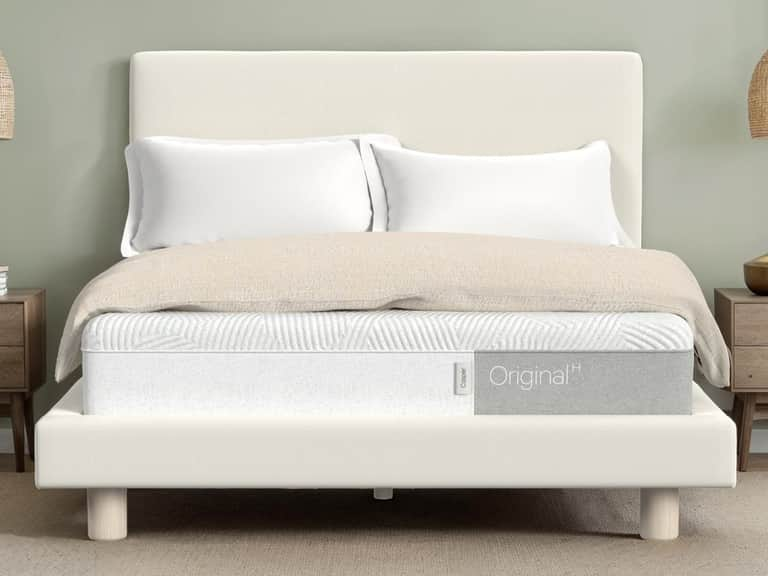
Hybrid mattresses combine the responsive support of pocket springs with the pressure-relieving comfort of foam or other cushioning layers. This construction is designed to balance contouring and support, making a hybrid mattress relevant for people who want a sleep surface that adapts to the body while retaining a more traditional spring-supported feel.
The Original Hybrid Mattress brings these elements together in a layered design. Its spring system helps distribute weight and provide structured support, while comfort materials cushion pressure points. The combination can help limit motion transfer between sleepers and support comfortable movement when changing position during the night.
When comparing hybrid mattresses, consider firmness, sleeping position, body weight, and temperature preferences. Side sleepers may value cushioning at the shoulders and hips, while back and stomach sleepers often look for steadier support. These characteristics affect how a mattress feels and performs, so individual comfort needs are important.
A mattress is one part of a broader bedding setup. Pillows help support the head and neck, while sheets influence surface feel and airflow. Checking mattress dimensions and bedding compatibility can support a practical fit. For households preparing a nursery, confirm that any sleep surface is specifically suitable for the intended age and use.
Hybrid mattresses differ from organic mattresses in both construction and material standards; the term “hybrid” describes a combination of support technologies, not a guarantee of organic content. Reviewing product specifications can clarify the materials, care guidance, and intended benefits of the Original Hybrid Mattress, helping readers make informed comparisons for everyday sleep needs.
 Mattresses