Foam mattresses are designed to provide contouring support, pressure relief, and motion isolation, making them a popular choice for bedrooms seeking quiet, consistent sleeping surfaces. They unify polyurethane or memory foam with varying densities to balance comfort and structure. The category highlights how different foam compositions influence support, cooling, and durability for diverse sleep preferences.
Key features commonly found in foam mattresses include open-cell ventilation for airflow, high-density foams for long-lasting core support, and layered constructions that combine comfort foams with transition and base layers. These elements work together to reduce pressure points while maintaining spinal alignment, supporting restorative sleep across sleeping positions.
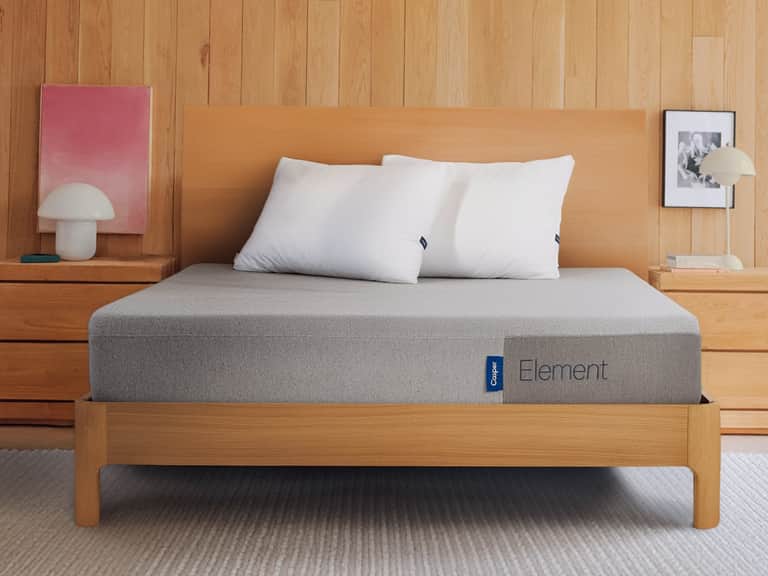
The Element Mattress exemplifies how foam technology can adapt to individual comfort needs. It integrates memory foam for conforming pressure relief with supportive cores that promote stability and resilience. Functional benefits include reduced motion transfer, enhanced edge support, and a balanced feel suitable for partners sharing a bed.
Understanding compatibility with bed frameworks and bedding accessories is essential for foam mattresses, including considerations for box springs, slatted bases, and adjustable bed bases. Proper ventilation and pillow loft, as well as breathable covers, can influence moisture management and overall comfort in boxed configurations and compact sleeping arrangements.
In this category, emphasis is placed on materials, density ratings, and temperature regulation to guide informed decisions about foam mattresses. Users can compare foam types, assess sleep goals, and consider how the Element Mattress and related models address firmness levels, support zones, and recommended use cases within a broader bedding ecosystem that includes pillows and sheets.
 Mattresses